For years, European environmental policy has felt distant, almost abstract. Regulations, strategies, targets for 2050… But the new Nature Restoration Regulation breaks with that logic: it comes down to earth. Literally — placing local councils at the centre of the action.
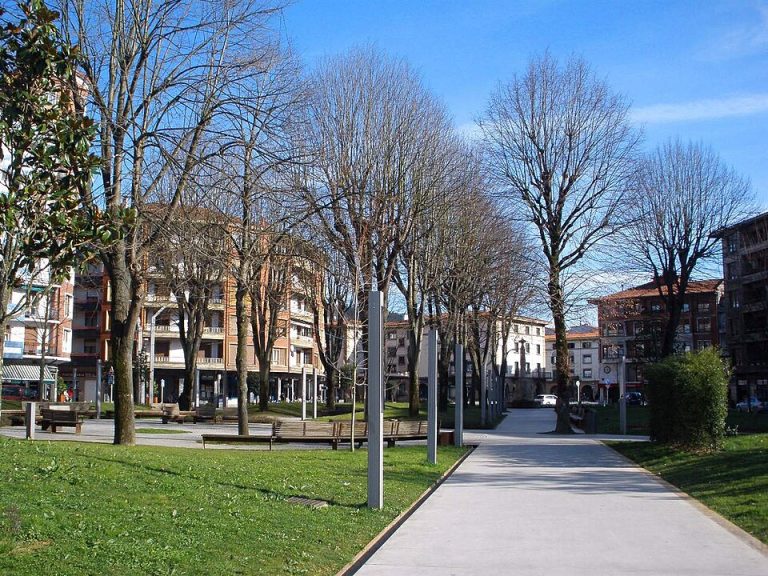
Because this time we are not just talking about protecting remote natural spaces. We are talking about more trees in our streets, more shade in summer, more parks, more urban biodiversity. We are talking about how our cities change day to day.
From grand European strategy… to the municipal square metre
The European regulation sets ambitious targets — restoring ecosystems, improving biodiversity, adapting to climate change — but its practical application has a very concrete address: local councils.
This is no coincidence. In Spain, more than 85% of the population lives in urban or suburban municipalities. That is where the problems are concentrated — heat islands, pollution, lack of green space — but also where the solutions lie.
MITECO, which assumes responsibility for compliance with this regulation at national level, is clear: the regulation is not just an environmental rule, it is an urban planning instrument. And it obliges local authorities to start measuring, planning, and acting.
One of the framework’s most significant contributions is how it defines the scope of action. The aim is not to intervene across the entire municipal territory, but rather within what are termed urban ecosystem zones: the effectively urbanised spaces where people live and where public action can genuinely transform environmental conditions.
This focus avoids superficial readings of the territory and puts the spotlight where it truly matters: in neighbourhoods, in streets, in everyday spaces. These are the places where heat islands, lack of shade, and biodiversity loss make themselves felt — and where restoration can deliver direct, tangible benefits.
Measuring green to transform the city
From there, the regulation introduces a logic that is still unfamiliar in much urban policy: measuring the presence of nature. It does so through two key indicators: urban green space (UGS) and urban tree cover (UTC).
The first captures the surface area of parks, gardens, and other accessible vegetated spaces. The second goes a step further, measuring the presence of trees — that is, the city’s actual capacity to generate shade and thermal comfort.
The implication is clear: there can be no net loss of these indicators until 2030, and from then on they must grow. This introduces a new condition into urban planning. Every intervention — a square, a street, a new development — is no longer neutral; it has a direct bearing on the city’s capacity to adapt to climate change.
An opportunity to rethink the city through nature
This shift is not without its challenges. Not all councils have the same technical or financial resources, nor the same management capacity. And many urban dynamics extend beyond administrative boundaries, requiring us to think in terms of territorial coordination.
But beyond these difficulties, the regulation opens up a clear opportunity. It places nature at the centre of urban planning — not as an optional extra, but as basic infrastructure.
At its core, what it proposes is a change in perspective. Moving from cities that incorporate green space to cities that are structured around it. And that requires us to revisit ingrained habits, priorities, and ways of intervening in urban space.
Because the question is no longer whether local councils will have to act, but how. And it is in that “how” that much of our cities’ capacity to adapt — and improve — in an increasingly demanding climate context will be determined.